
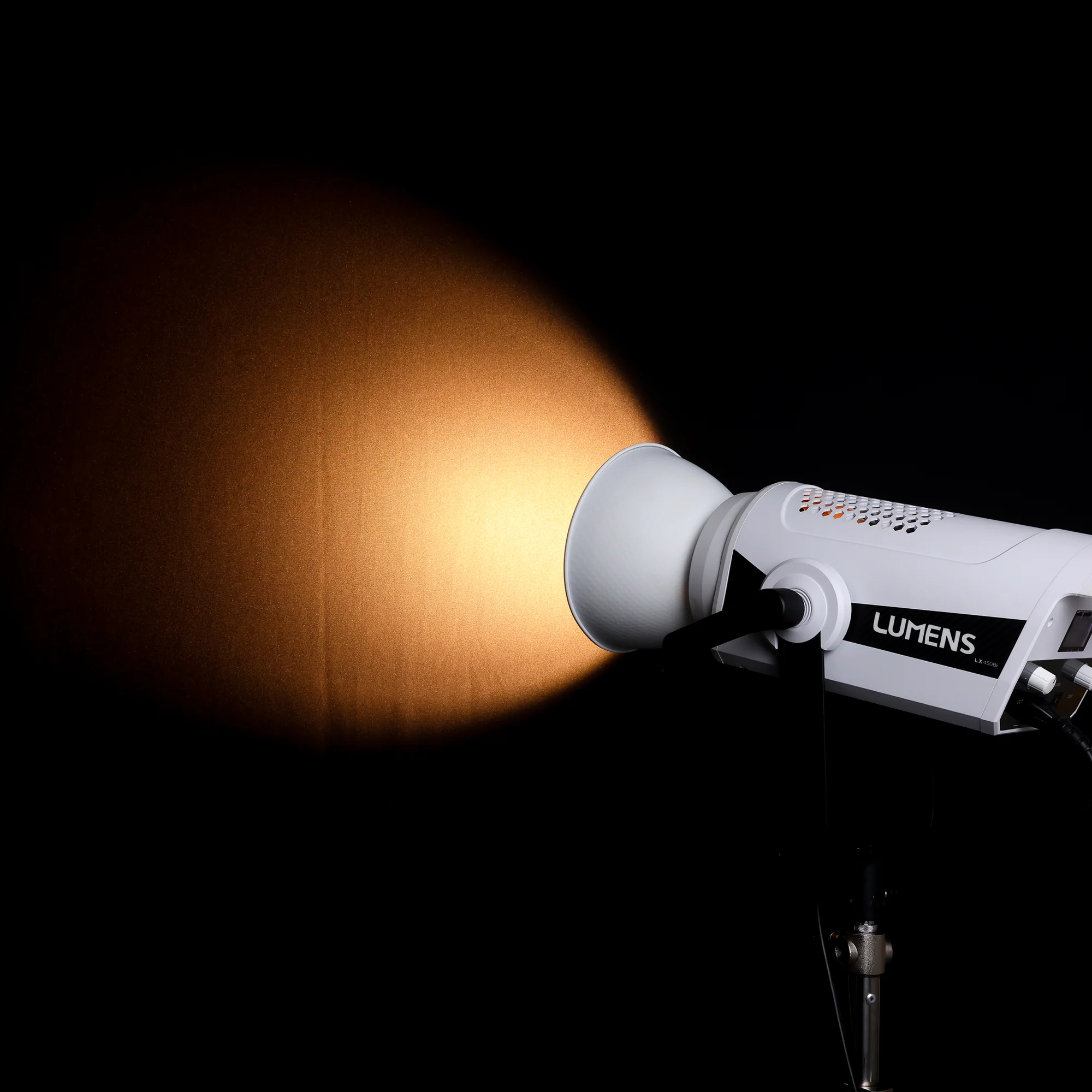
In industrial lighting systems, you often see technical codes like 0.6 450W Lamp MIP. At first glance, it may look complicated or even random, but it usually represents a structured way of describing a lighting unit’s power, efficiency behavior, and installation category.
Instead of being just a model name, this type of code is used to quickly communicate important technical details that matter in real-world applications.
What 0.6 450W Lamp MIP Means
The term “0.6 450W Lamp MIP” is typically a technical-style lighting code used to describe key details of a lamp or lighting system in a compact format. While the exact definition can vary depending on the manufacturer, it is generally broken down into three parts.
The “450W” refers to the power rating of the lamp. This indicates how much electricity the lamp consumes and also gives an idea of its brightness level and suitability for large or high-demand spaces.
The “0.6” is commonly interpreted as an efficiency or performance factor. It suggests how effectively the system converts electrical energy into usable light output under real operating conditions.
The “MIP” portion is likely a classification or internal code used to identify the fixture type, mounting style, or product series within a specific system or manufacturer range.
When combined, 0.6 450W Lamp MIP describes a high-power lighting unit designed for industrial or commercial use, where strong illumination, structured performance, and system compatibility are important.
In simple terms, it is not just a name—it is a compact way of communicating how powerful the lamp is, how efficiently it works, and what type of system it belongs to.
Power Characteristics of 450W Lighting Systems
A 450W lighting system is considered a high-power setup, mainly used in environments that require strong and wide-area illumination. Its power characteristics are defined not just by energy consumption, but also by how effectively that energy is converted into usable light.
One of the main features of a 450W system is its high energy input capacity. It draws a significant amount of electricity, which allows it to produce intense lighting suitable for large spaces such as warehouses, factories, and outdoor industrial zones.
Another important characteristic is high illumination output. Because of the wattage level, these systems are capable of covering broad areas with consistent brightness, reducing the need for multiple lower-powered fixtures.
However, power alone does not determine performance. The actual efficiency of a 450W system depends on how well it converts electrical energy into light. This is where efficiency factors (such as 0.6 in some configurations) become important, as they reflect real-world performance rather than theoretical output.
These systems also require proper electrical load management. Since they consume more power, careful planning is needed to avoid circuit overloads and to ensure stable operation over long periods.
In addition, 450W lighting systems are often designed for continuous industrial use, meaning they are built to handle long operating hours with stable performance and minimal interruption.
Efficiency Factor and Real-World Output
The efficiency factor in a lighting system—such as the 0.6 value in a 0.6 450W setup—plays an important role in understanding how the system actually performs in real conditions. While wattage tells you how much power a lamp uses, the efficiency factor helps explain how much of that power is effectively turned into usable light.
In simple terms, not all the electrical energy consumed by a 450W lamp is converted into visible illumination. Some of it is lost due to heat, internal resistance, and system design limitations. The efficiency factor gives a more realistic picture of this performance gap.
Because of this, the real-world output of a lighting system can differ from its rated power. A lamp might be labeled as 450W, but the actual effective lighting performance depends on how efficiently it operates under working conditions.
This becomes especially important in large-scale installations. Even a small efficiency difference can have a big impact when dozens or hundreds of lights are used together. It can affect brightness levels, energy costs, and overall lighting balance across a space.
In practical use, engineers rely on efficiency factors to design better lighting layouts. Instead of focusing only on wattage, they calculate how much usable light will actually be produced and adjust the number or placement of fixtures accordingly.
Industrial Use of 0.6 450W Lamp MIP Systems
Systems like 0.6 450W Lamp MIP are mainly used in industrial environments where strong, reliable, and continuous lighting is required. These setups are designed to handle demanding conditions and provide consistent illumination over large working areas.
One of the most common applications is in warehouses and storage facilities. These spaces need wide and uniform lighting so workers can safely move, load, and organize materials without visibility issues.
They are also widely used in manufacturing plants and factories, where production lines operate for long hours. In such environments, stable lighting is essential for both productivity and workplace safety.
Another important use is in outdoor industrial areas, such as loading docks, construction sites, and yard spaces. Here, high-power lighting helps maintain visibility during night operations or low-light conditions.
In many cases, these systems are chosen because they provide a balance of high output and structured performance. The 450W rating ensures strong illumination, while the efficiency factor helps engineers plan energy use more effectively.
The MIP classification also helps ensure that the lighting fixture is suitable for the correct installation type, making it easier to match equipment with specific industrial requirements.
Why This Type of Specification Matters
Specifications like 0.6 450W Lamp MIP matter because they turn complex lighting details into a clear, usable format that professionals can work with. Instead of guessing how a system behaves, engineers and technicians rely on these codes to make accurate decisions.
One of the main reasons they are important is consistency. In large projects, lighting systems often involve multiple fixtures, suppliers, and installation teams. A standardized specification ensures everyone is working with the same expectations.
They also support better system design. By knowing the power rating, efficiency factor, and fixture type, designers can properly plan lighting layouts that balance brightness, coverage, and energy use without overloading the system.
Another key reason is cost and energy control. Even small differences in efficiency can significantly impact electricity usage in large installations. Clear specifications help estimate real-world consumption more accurately and avoid unnecessary energy waste.
These codes are also valuable for maintenance and troubleshooting. When something goes wrong, technicians can quickly identify the exact type of system in use and apply the correct solution without delay.
YOU MAY READ:
Fosgartop0.9.6.3 Winning Strategy Guide | Pro Tips, Tricks & Gameplay Insights
Real-World Importance in Lighting Design
In practical lighting design, specifications like 0.6 450W Lamp MIP matter because they help turn technical data into real installation decisions. On paper, numbers like wattage and efficiency may seem simple, but in real environments they directly affect how a space looks, functions, and performs.
One of the biggest reasons this kind of specification is important is accurate lighting planning. Designers don’t just aim for brightness—they aim for balanced coverage. Knowing the power rating and efficiency factor helps determine how many fixtures are needed and where they should be placed.
It also plays a key role in energy management. In large buildings or industrial areas, lighting can account for a significant portion of electricity use. Understanding how much real output a system produces helps avoid overuse of power while still maintaining proper visibility.
Another important factor is safety and usability. Poorly designed lighting can create dark spots, glare, or uneven brightness, which can affect worker safety and productivity. Using proper specifications helps reduce these risks by ensuring consistent illumination.
These details are also important for system compatibility and upgrades. When replacing or expanding lighting systems, engineers rely on specifications to match new equipment with existing setups without causing performance issues.
Conclusion
The 0.6 450W Lamp MIP code is more than just a label—it’s a structured way to describe a high-power lighting system with efficiency considerations and installation classification.
It plays an important role in industrial lighting design by helping professionals choose the right equipment, optimize performance, and ensure reliable operation in demanding environments.
FAQs
What is 0.6 450W Lamp MIP?
It is a technical lighting code that usually represents a 450W lamp system with an efficiency factor and a fixture classification.
What does 450W mean in this system?
450W refers to the power consumption of the lamp, indicating it is designed for high-intensity lighting.
What does the 0.6 factor indicate?
It is generally seen as an efficiency or performance factor that affects how much usable light is produced.
What does MIP stand for?
MIP is likely an internal or manufacturer-specific code used to describe fixture type, mounting, or product series.
Where is this type of lighting used?
It is commonly used in warehouses, factories, industrial plants, and outdoor work areas.
Is this a standard global lighting code?
No, it is not a universal standard and may vary depending on the manufacturer or system design.
Why are such codes used instead of simple names?
They allow engineers and technicians to quickly understand technical details without long descriptions.
Is 450W considered high power?
Yes, 450W is relatively high and is used for large spaces requiring strong illumination.
Does the 0.6 factor affect brightness?
Yes, it can influence the actual usable light output compared to the rated power.
Can this lighting system be energy efficient?
Efficiency depends on design, usage, and installation, not just wattage alone.
Why is this type of system used in industries?
Because it provides strong, reliable lighting suitable for demanding environments.
Is it suitable for small rooms or homes?
No, it is generally too powerful for small indoor residential spaces.
Does MIP affect installation?
Yes, it may relate to mounting type or fixture compatibility.
Can misunderstanding this code cause issues?
Yes, incorrect interpretation can lead to poor lighting design or installation problems.
Is maintenance important for this system?
Yes, regular maintenance helps ensure consistent performance and safety.
Are these systems still used today?
Yes, they are still common in industrial and commercial lighting setups.
Do all manufacturers use the same meaning for MIP?
No, meanings can differ between brands and product lines.
Why is efficiency factor important?
It helps estimate real-world lighting output more accurately.
Can this system be upgraded to modern LEDs?
In many cases, yes, but compatibility must be checked.
What is the main benefit of understanding this code?
It helps in selecting the right lighting system and ensuring proper performance in real applications.
