
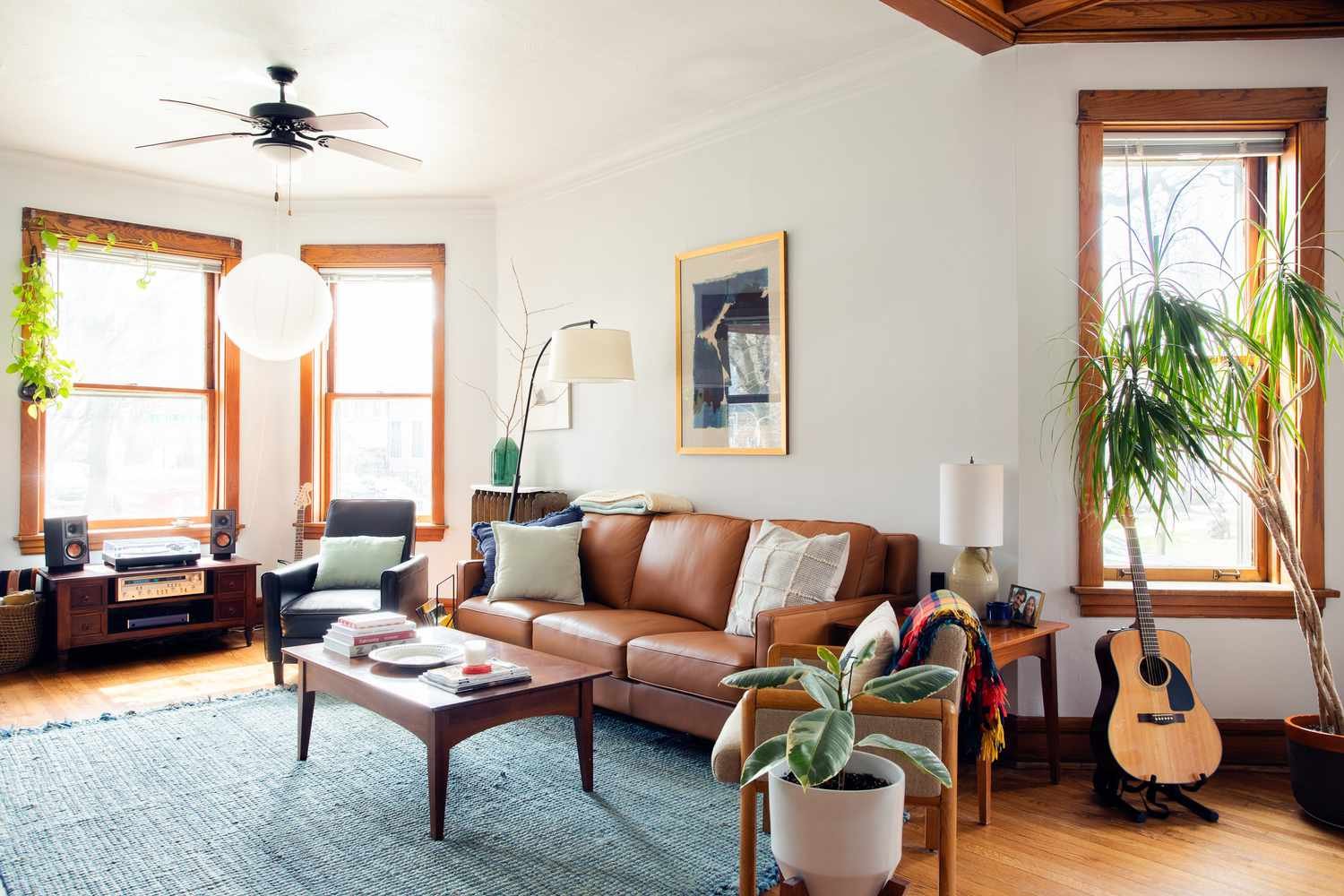
Choosing the right rug can completely transform the look and feel of a room. A well-selected rug not only enhances the aesthetic appeal but also adds comfort, warmth, and functionality to your space. However, with so many options available, selecting the perfect rug for each room can be challenging. Understanding key factors such as size, material, style, and placement will help you make the right decision.
Understanding the Role of Rugs in Interior Design
Rugs are more than just decorative pieces. They help define spaces, especially in open floor plans, and create a sense of structure within a room. A rug can anchor furniture, add texture, and introduce color or pattern to your design.
In addition to aesthetics, rugs provide comfort underfoot and can improve acoustics by reducing noise. They also protect flooring from wear and tear, making them a practical addition to any home.
To explore a variety of modern and stylish rug options, visit for more details on Auvris Official Website
Choosing the Right Rug Size
One of the most common mistakes people make is selecting the wrong rug size. A rug that is too small can make a room feel disconnected, while one that is too large can overwhelm the space.
In living rooms, the rug should be large enough to fit under the front legs of your furniture. For dining rooms, the rug should extend beyond the table to accommodate chairs even when they are pulled out.
In bedrooms, placing a rug under the bed with enough extension on all sides creates a balanced and comfortable look.
Selecting the Best Material
The material of a rug affects its durability, comfort, and maintenance. Wool rugs are popular for their softness and durability, making them ideal for living rooms and bedrooms.
Cotton rugs are lightweight and easy to clean, while synthetic materials such as polypropylene are stain-resistant and suitable for high-traffic areas.
Natural fiber rugs like jute and sisal add texture and a rustic feel, but they may not be as soft underfoot. Choosing the right material depends on the function of the room and your lifestyle.
Matching Rugs with Room Style
Your rug should complement the overall style of your room. For modern interiors, simple patterns and neutral colors work best. Traditional spaces may benefit from intricate designs and rich colors.
If your furniture and decor are minimal, a bold rug can serve as a focal point. On the other hand, if your room already has many patterns, a more subtle rug can balance the look.
Consistency in style ensures that your rug enhances rather than clashes with your interior design.
Color and Pattern Considerations
Color plays a significant role in the impact of a rug. Light-colored rugs can make a room feel larger and more open, while darker tones add warmth and coziness.
Patterns can add visual interest but should be chosen carefully. Large patterns work well in spacious rooms, while smaller patterns are better suited for compact spaces.
It is important to consider how the rug’s color and pattern interact with other elements in the room, such as furniture, walls, and accessories.
Placement Tips for Different Rooms
Each room in your home has different requirements when it comes to rug placement. In the living room, the rug should connect all seating elements to create a cohesive layout.
In the dining room, ensure that the rug is centered under the table and large enough to accommodate movement. In bedrooms, placing rugs on either side of the bed or a large rug underneath can enhance comfort.
For hallways and entryways, runner rugs are a practical and stylish choice.
Layering Rugs for Added Depth
Layering rugs is a growing trend in interior design. It involves placing one rug over another to create depth and texture.
This technique works well when combining different materials, such as a neutral base rug with a smaller patterned rug on top. It allows you to experiment with styles and add a unique touch to your space.
Layering can also be a practical solution for updating your decor without replacing your existing rug.
Maintenance and Durability
Choosing a rug that is easy to maintain is essential, especially in high-traffic areas. Regular vacuuming and occasional professional cleaning can help preserve the appearance and longevity of your rug.
Stain-resistant materials are ideal for homes with children or pets. Rotating your rug periodically can also ensure even wear.
Investing in a durable rug may cost more initially but can save money in the long run by reducing the need for replacements.
Budget Considerations
Rugs come in a wide range of prices, so it is important to set a budget before making a purchase. While it may be tempting to choose the cheapest option, quality should not be overlooked.
A well-made rug can last for years and maintain its appearance over time. Consider it an investment in your home’s comfort and style.
Balancing quality and affordability will help you find the best option for your needs.
Enhancing Comfort and Functionality
Rugs add a layer of comfort that enhances the overall experience of a room. Soft rugs are ideal for areas where you spend a lot of time, such as living rooms and bedrooms.
In functional spaces like kitchens, smaller rugs or mats can provide comfort while standing. Choosing the right rug for each area ensures both style and practicality.
Comfort should always be a priority when selecting rugs for your home.
Avoiding Common Mistakes
Avoid placing rugs that are too small in large rooms, as this can make the space feel incomplete. Similarly, choosing colors that clash with your decor can disrupt the overall harmony.
Ignoring maintenance requirements can also lead to issues over time. It is important to consider how much care a rug will need before making a decision.
Taking the time to plan and choose carefully can help you avoid these common mistakes.
Personalizing Your Rug Choices
Your rug should reflect your personal style and preferences. Whether you prefer bold designs or subtle tones, your choice should align with your overall vision for your home.
Adding unique or custom rugs can make your space feel more personalized and inviting. The goal is to create a space that feels comfortable and visually appealing.
Personal touches can turn a simple rug into a standout feature in your home.
Conclusion
Choosing the perfect rug for every room requires careful consideration of size, material, style, and placement. A well-selected rug can enhance the beauty, comfort, and functionality of your space.
By understanding your needs and exploring different options, you can find rugs that complement your home and elevate your interior design. Whether you are decorating a single room or your entire house, the right rug can make a significant difference.
For more inspiration and premium rug collections, visit for more details on https://auvris.com/
